Online Consultation
Dr Amita shah Logo
PCOS (polystic ovary syndrome)

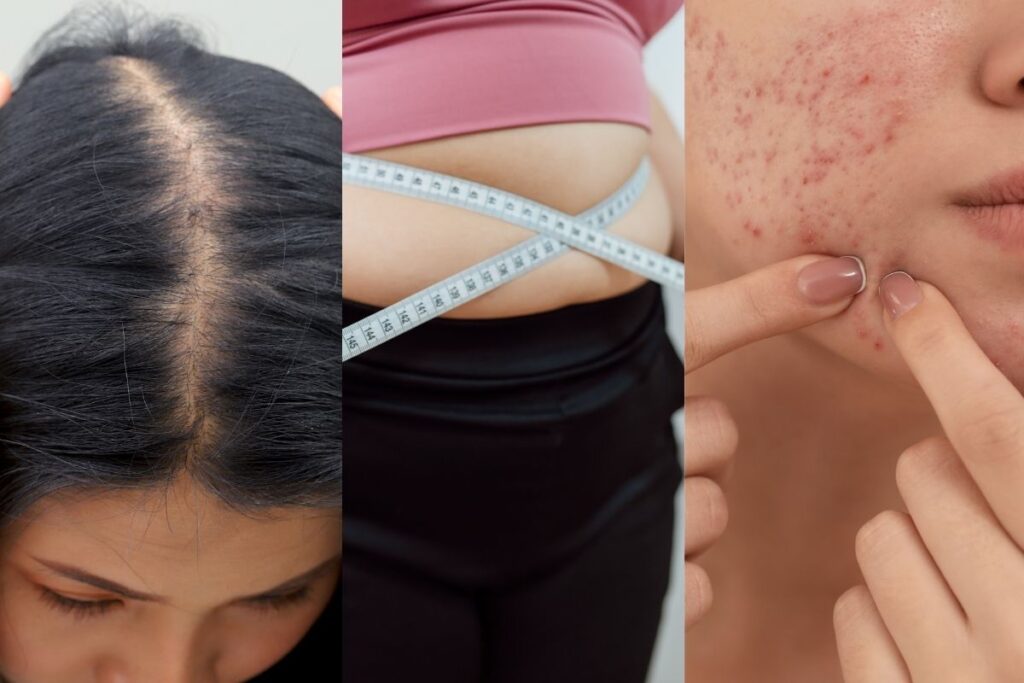
Are you facingIrregular Menstrual Cycles Infertility Excessive Hair Loss Weight Management Issues

From lifestyle changes to medical therapies, discover tailored approaches to control PCOS symptoms and reduce health risks.

PCOS (polystic ovary syndrome)

Polycystic Ovary Syndrome (PCOS)A Comprehensive Guide for Women

From lifestyle changes to medical therapies, discover tailored approaches to control PCOS symptoms and reduce health risks.

What is Polycystic Ovary Syndrome (PCOS)?

Polycystic Ovary Syndrome (PCOS) is a common hormonal disorder affecting women of reproductive age. It is characterized by an imbalance of male and female hormones, leading to symptoms such as irregular or missed periods, ovarian cysts, and excess facial or body hair. PCOS can also cause weight gain, acne, and infertility due to disrupted ovulation. The condition is linked to insulin resistance and may increase risks of diabetes and heart disease. Although many with PCOS may not have visible cysts, symptoms vary widely, and lifestyle changes along with medical treatments can help manage it effectively. Early diagnosis and care are important for maintaining overall health and fertility.

Risks of PCOS

Irregular periods or no periods at all
Irregular periods or no periods at all

Acne and oily<br>skin

Acne and oily
skin

Thinning hair or <br>hair loss

Thinning hair or
hair loss

Weight gain or difficulty losing weight

Weight gain or difficulty losing weight

Irregular periods or no periods at all

Irregular periods or no periods at all

Acne and oily<br>skin

Acne and oily
skin

Thinning hair or hair loss on the scalp
Thinning hair or hair loss on the scalp

Weight gain or difficulty losing weight
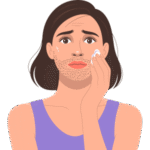
Weight gain or difficulty losing weight

Excessive hair growth on the face and body

Excessive hair growth on the face and body

Difficulty getting pregnant due to irregular ovulation
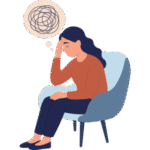
Difficulty getting pregnant due to irregular ovulation

Mood changes such as anxiety or depression

Mood changes such as anxiety or depression

Complications of PCOS

Increased risk of type 2 diabetes
due to insulin resistance

Infertility caused by chronic
anovulation (lack of ovulation)

Metabolic disorders including
high cholesterol and obesity

Higher chances of cardiovascular diseases such as hypertension and coronary artery disease

Increased risk of endometrial cancer due to prolonged unopposed
estrogen exposure

Pregnancy complications like gestational diabetes and
hypertensive disorders

Why Choose Dr. Amita Shah for Your PCOS Treatment

Dr. Amita Shah brings unmatched experience as a Senior Consultant Obstetrician, Gynecologist, and Laparoscopic Surgeon. Currently serving as Chairman & HOD at Manipal Hospital Gurugram, she has transformed thousands of pregnancy journeys with her patient-first approach.

Professional Credentials: 

  • MBBS, MD – Obstetrics & Gynecology 
  • 30+ Years specialized experience 
  • Board Certified with Haryana Medical Council 
  • Chairman & HOD at Manipal Hospital Gurugram 

Treatment of PCOS

The treatment of PCOS focuses on managing symptoms and preventing complications and varies depending on a woman’s goals, such as regulating menstrual cycles, reducing unwanted hair growth, or improving fertility.

Lifestyle changes

Weight loss through a healthy diet and regular exercise can improve insulin resistance, regulate periods, and reduce symptoms.

Medications to regulate periods

Combination birth control pills to balance hormones and prevent endometrial cancer, progestin therapy to induce regular periods.

Fertility treatments

Fertility treatments include ovulation-stimulating drugs like clomiphene or letrozole, metformin for insulin resistance, and gonadotropin injections if needed.

Treating excess hair and acne

Anti-androgen medications such as spironolactone, birth control pills, and cosmetic treatments like laser hair removal or eflornithine cream.

Surgical options

Laparoscopic ovarian drilling in some cases to induce ovulation when medications are ineffective.

Additional management

Treating associated metabolic issues like diabetes and cholesterol as needed.

Three Questions Every Women Should Ask:

  • Are my symptoms improving, and how are they impacting my daily life now?
  • Am I comfortable with the treatment plan, including any lifestyle changes or medications I am following?
  • What ongoing support or monitoring do I need from my healthcare provider to maintain my progress and manage potential complications?

Success Stories

Frequently Asked Questions

Diagnosis is typically based on symptoms, physical examination, blood tests to measure hormone levels, and ultrasound imaging of ovaries.

Yes, PCOS can start during the teenage years, but diagnosis can be challenging as irregular periods can be common during adolescence.

Yes, PCOS is linked to higher rates of anxiety, depression, and low self-esteem due to hormonal imbalances and symptoms like weight gain and acne.

Common medications include birth control pills to regulate periods, metformin for insulin resistance, and anti-androgens for excess hair growth.

While weight loss helps many women improve symptoms, even women with normal weight can have PCOS and need tailored management.

Book an Appointment