


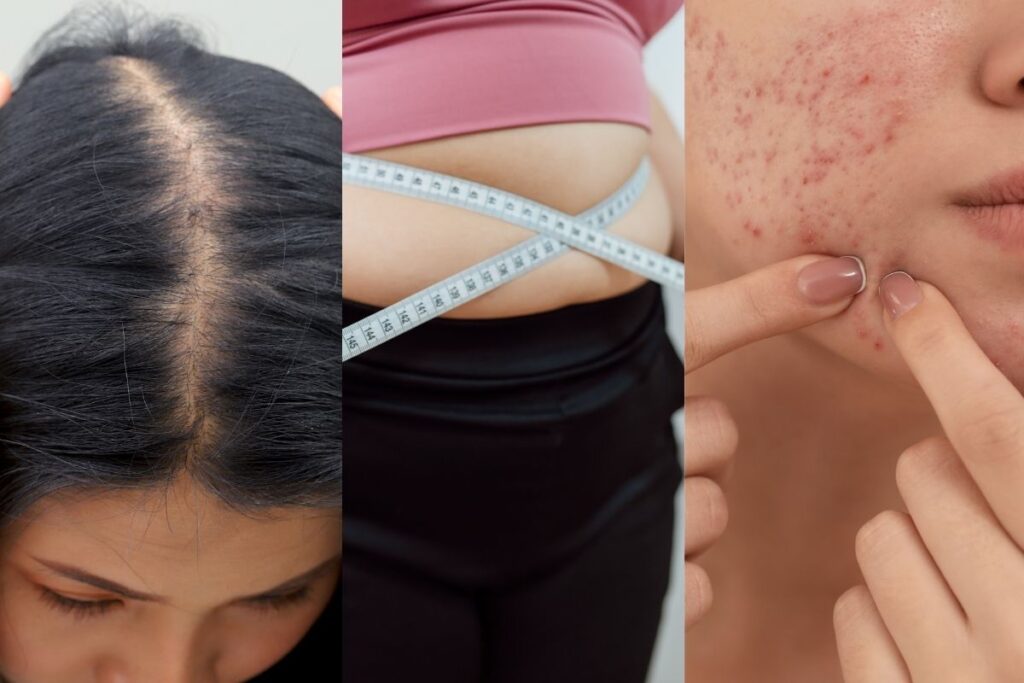
Irregular periods, acne, hair loss, weight management issuesAre these problems stressing you out lately?
Relax, there is nothing to worry about, as it could be PCOS.
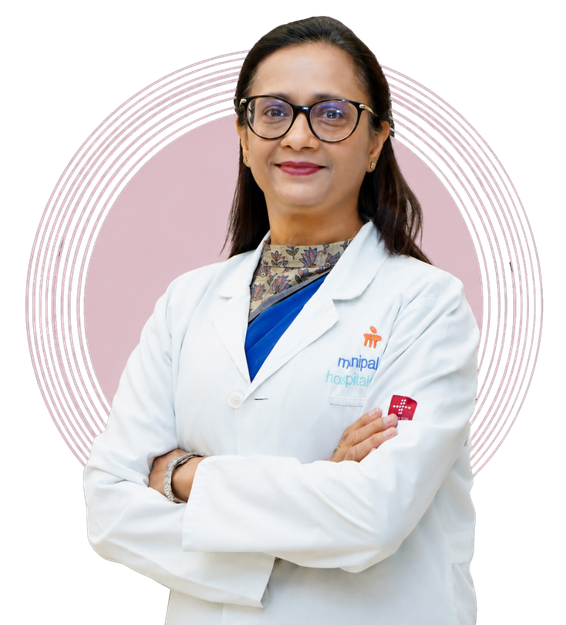
With treatments specially made for your body type, you can improve your health with Dr. Amita Shah.
Irregular periods, acne, hair loss, weight management issuesAre these problems stressing you out lately?
Relax, there is nothing to worry about, as it could be PCOS.
With treatments specially made for your body type, you can improve your health with Dr. Amita Shah.
Polycystic Ovary Syndrome (PCOS)?
We women, face thousands of problems in our lives, and 95% of them are related to our health. They are somehow connected to each other, and mostly with hormonal issues.PCOS (Polycystic Ovary Syndrome) is also mostly caused by hormonal issues. It is a common health condition in which the ovaries produce higher levels of androgens, which are male hormones that can interfere with normal ovulation, and as a result, it can make the menstrual cycle irregular or infrequent.
Real Success Stories from PCOS Patients

I was recently diagnosed with PCOS and was looking for a gynecologist who could help me manage my condition. I did some research and found Dr. Amita Shah. I made an appointment and I’m so glad I did. Dr. Amita is very knowledgeable about PCOS and was able to give me some great advice about how to manage my condition. He also prescribed me some medication that has really helped. I’m so happy with the care I’ve received from Dr Amita Shah
I got my laparoscopic treatment for Endometriosis issue. I am an old patient of Dr Amita shah for other PCOS treatment , that was also going good but recently I recognised with Endometriosis that explain by doctor clearly. Then me & my husband decide to get treatment on time. Today is my 8th after laparoscopic Endometriosis treatment & I am really very happy to get in touch in safe hands. Laparoscopy recovery is amazing. Dr Amita shah is really a polite doctor & gave clear explanation for treatment. I am so lucky & thankful to doctor.
Noticing These Changes?
Heavy menstrual bleeding
Heavy flow can happen once or twice in a healthy body, but when it happens for 5–6 days, and the cycle doesn't end for 7+ days, then it is a sign.
Missed periods (Amenorrhea)
This is one of the most common signs that you may be facing PCOS. Not just once or twice, but if you miss your periods for 3-4 months frequently, it could be a sign.
Irregular periods
Don't mix this with the above point. If you are getting periods every month but the cycle gap is different each month, then it is also a sign.
Excessive body or facial hair growth
We all have different body types and genes, but if you suddenly feel that your facial hair or body hair on the chest, stomach, or even back is growing too early, then it is a sign.
Acne or oily skin
Increased androgen levels can stimulate the skin’s oil glands, which can lead to acne and oily skin even if you have dry skin. If you face this, you should get it checked.
Hair loss or thinning
Sudden hair loss and thinning are big signs of PCOS, especially on the scalp, and the pattern of hair loss can be similar to the male hair loss pattern.
Weight gain
Sudden weight gain, especially around the abdomen area, is a sign of PCOS. Not only gaining weight, but trying to lose it also becomes very difficult.
Difficulty in getting pregnant
Because of PCOS, hormonal imbalance affects ovulation and makes it harder for the ovaries to release eggs regularly, which leads to conceiving taking more time than usual.
Multiple small ovarian follicles
Follicles are immature eggs that did not develop properly, and the ovaries can contain many small fluid-filled follicles, which can be seen on an ultrasound if you have PCOS.
What Causes PCOS?
Hormonal imbalance
PCOS can occur due to an imbalance of hormones in a woman’s body. It is a condition in which women produce higher levels of androgens (the male hormone), which can disturb the normal functioning of the ovaries, causing hormonal imbalance.
Insulin Resistance
Insulin resistance is a condition in which body cells do not respond properly to insulin, and many women with PCOS have insulin resistance. Basically, insulin is a hormone that helps regulate blood sugar by allowing glucose to enter the cells. If the body becomes resistant to insulin, it has to produce a high amount of this hormone to maintain normal blood sugar levels. This leads to increased production of androgens, which can disturb the hormonal balance in the body.
Genetic factors
If your mother, sister, or close female relative has or had PCOS, then you may be at a higher risk of developing it, but it does not guarantee that you will have it. Sometimes it runs in families. Certain genes may influence how hormones are produced and regulated in the body, which can contribute to PCOS.
Why Choose Dr. Amita Shah for Your PCOS Treatment
Dr. Amita Shah is a highly experienced Senior Consultant Obstetrician, Gynaecologist, and Laparoscopic Surgeon. She has guided and supported thousands of women with different gynecological conditions, which include PCOS, menstrual irregularities, pregnancy-related care, and many more. When it comes to treating and curing women, her approach focuses on understanding them based on their health needs and concerns.
Professional Credentials:
- MBBS, MD – Obstetrics & Gynecology
- 30+ Years specialized experience
- Board Certified with Haryana Medical Council
- Chairman & HOD at Manipal Hospital Gurugram

PCOS Treatment Approaches
Early diagnosis and the correct treatment are very important in PCOS management. Without proper care,
PCOS can increase the risk of long-term health issues. Some common treatments that are suggested to most women are:
- Lifestyle Change
Lifestyle patterns play a very important role when it comes to health. Poor sleep, an unhealthy or inadequate diet, and little to no physical activity especially after a 9-5 job has become a common routine for many women.
However, with proper focus, even small changes in daily habits can help improve PCOS.
Following a healthy diet, getting 6-8 hours of proper sleep, and engaging in regular physical activity, such as exercise or even simple walking, can significantly help in managing PCOS. Along with improvement in PCOS symptoms, these changes can also lead to better overall health and well-being.
Lifestyle patterns play a very important role when it comes to health. Poor sleep, an unhealthy or inadequate diet, and little to no physical activity especially after a 9-5 job has become a common routine for many women.
However, with proper focus, even small changes in daily habits can help improve PCOS.
Following a healthy diet, getting 6-8 hours of proper sleep, and engaging in regular physical activity, such as exercise or even simple walking, can significantly help in managing PCOS. Along with improvement in PCOS symptoms, these changes can also lead to better overall health and well-being.
Lifestyle patterns play a very important role when it comes to health. Poor sleep, an unhealthy or inadequate diet, and little to no physical activity especially after a 9-5 job has become a common routine for many women.
However, with proper focus, even small changes in daily habits can help improve PCOS.
Following a healthy diet, getting 6-8 hours of proper sleep, and engaging in regular physical activity, such as exercise or even simple walking, can significantly help in managing PCOS. Along with improvement in PCOS symptoms, these changes can also lead to better overall health and well-being.
Lifestyle patterns play a very important role when it comes to health. Poor sleep, an unhealthy or inadequate diet, and little to no physical activity especially after a 9-5 job has become a common routine for many women.
However, with proper focus, even small changes in daily habits can help improve PCOS.
Following a healthy diet, getting 6-8 hours of proper sleep, and engaging in regular physical activity, such as exercise or even simple walking, can significantly help in managing PCOS. Along with improvement in PCOS symptoms, these changes can also lead to better overall health and well-being.
Lifestyle patterns play a very important role when it comes to health. Poor sleep, an unhealthy or inadequate diet, and little to no physical activity especially after a 9-5 job has become a common routine for many women.
However, with proper focus, even small changes in daily habits can help improve PCOS.
Following a healthy diet, getting 6-8 hours of proper sleep, and engaging in regular physical activity, such as exercise or even simple walking, can significantly help in managing PCOS. Along with improvement in PCOS symptoms, these changes can also lead to better overall health and well-being.
Lifestyle patterns play a very important role when it comes to health. Poor sleep, an unhealthy or inadequate diet, and little to no physical activity especially after a 9-5 job has become a common routine for many women.
However, with proper focus, even small changes in daily habits can help improve PCOS.
Following a healthy diet, getting 6-8 hours of proper sleep, and engaging in regular physical activity, such as exercise or even simple walking, can significantly help in managing PCOS. Along with improvement in PCOS symptoms, these changes can also lead to better overall health and well-being.
- Medications
- Fertility Treatment
Lifestyle patterns play a very important role when it comes to health. Poor sleep, an unhealthy or inadequate diet, and little to no physical activity especially after a 9-5 job has become a common routine for many women.
However, with proper focus, even small changes in daily habits can help improve PCOS.
Following a healthy diet, getting 6-8 hours of proper sleep, and engaging in regular physical activity, such as exercise or even simple walking, can significantly help in managing PCOS. Along with improvement in PCOS symptoms, these changes can also lead to better overall health and well-being.
Medications are also a recommended treatment for PCOS. They help regulate the menstrual cycle and maintain hormonal balance.
Some combination oral contraceptive pills are prescribed to promote regular menstruation by stabilizing hormone levels in the body. These contraceptive pills also reduce the risk of endometrial hyperplasia, which is caused by the prolonged absence of periods.
A therapy known as progestin therapy is also suggested for women who experience infrequent menstrual cycles, which helps induce regular shedding of the uterine lining.
In some cases, additional medications may be prescribed to manage specific symptoms such as acne, insulin resistance, and hirsutism, depending on the individual.
Fertility-focused treatments are recommended for women who are trying to conceive. The goal is to support ovulation and improve the chances of pregnancy.
Some medications are also prescribed, such as clomiphene citrate or letrozole, which help stimulate the ovaries to release eggs in a more regular and controlled manner.
In some cases, metformin may also be prescribed for women with insulin resistance, as it improves the body’s response to insulin and helps restore hormonal balance, thereby supporting ovulation.
If these treatments and medications are not effective, doctors may recommend hormone injections, which are given under careful medical supervision. Gonadotropin hormone injections directly stimulate the ovaries.
Overall, these treatments aim to improve ovulation and increase the chances of a successful and healthy pregnancy.
Question you must be thinking about
Polycystic Ovary Syndrome (PCOS) is usually diagnosed through a combination of medical history, physical examination, and tests. A doctor may first ask about menstrual cycles, symptoms like acne or excess hair growth, and any difficulty with weight or fertility. Blood tests are often done to check hormone levels and rule out other conditions. An ultrasound may also be recommended to examine the ovaries and look for multiple small follicles. Doctors generally confirm PCOS when at least two of the following are present: irregular ovulation, higher androgen levels, or polycystic ovaries seen on ultrasound.
Yes, teenagers can develop Polycystic Ovary Syndrome (PCOS). The condition often begins during adolescence, usually after puberty when hormonal changes start. Teen girls may notice symptoms such as irregular periods, persistent acne, excessive hair growth, or weight gain. However, diagnosing PCOS in teenagers can sometimes be challenging because irregular menstrual cycles are also common in the first few years after puberty. Doctors usually evaluate symptoms carefully and may recommend blood tests or other examinations before confirming the condition. Early medical guidance and healthy lifestyle habits can help manage symptoms and support overall hormonal health.
No, weight loss is not necessary for all women with Polycystic Ovary Syndrome (PCOS). While some women with PCOS may experience weight gain or have difficulty losing weight, others may have a normal body weight. Treatment and management depend on each individual’s symptoms and health condition. For women who are overweight, even modest weight loss can help improve insulin sensitivity, regulate menstrual cycles, and reduce symptoms. However, women with normal weight may focus more on balanced nutrition, regular physical activity, and medical guidance to manage hormonal balance and overall health.
Polycystic Ovary Syndrome (PCOS) cannot be completely cured, but it can be effectively managed with proper treatment and healthy lifestyle habits. PCOS is a hormonal condition, and its symptoms may vary from person to person. Treatment usually focuses on controlling hormonal imbalance, regulating menstrual cycles, improving ovulation, and reducing symptoms such as acne, excess hair growth, or weight gain. Doctors may recommend lifestyle changes, medications, or fertility treatments depending on individual health goals. With early diagnosis, regular monitoring, and consistent care, many women with PCOS are able to manage their symptoms successfully and maintain good reproductive and overall health.
The duration of treatment for Polycystic Ovary Syndrome (PCOS) can vary depending on the individual’s symptoms, overall health, and treatment goals. Some women may start noticing improvements in menstrual cycles, acne, or energy levels within a few months of beginning treatment and making lifestyle changes. However, managing PCOS is usually a long-term process because hormonal balance and metabolic health take time to improve. Doctors often recommend regular follow-ups to monitor progress and adjust treatment when necessary. Consistent lifestyle habits, including balanced nutrition, physical activity, and stress management, can play an important role in improving symptoms and maintaining long-term health
You should consider consulting a doctor if you notice symptoms that may be related to Polycystic Ovary Syndrome (PCOS). These symptoms may include irregular or missed periods, excessive facial or body hair growth, persistent acne, sudden weight gain, or difficulty getting pregnant. If menstrual cycles are irregular for several months or you experience significant hormonal changes, it is advisable to seek medical guidance. Early consultation helps doctors evaluate symptoms through medical history, physical examination, and tests if needed. Timely diagnosis and treatment can help manage symptoms effectively and reduce the risk of long-term health concerns associated with PCOS.