



Robotic Uterine Prolapse Surgery in Gurgaon
Dr Amita Shah offers advanced minimally invasive gynecologic care in Gurgaon, with expertise in robotic-assisted laparoscopic surgery for women needing modern treatment for complex pelvic conditions.
When Uterine Prolapse Starts Affecting Daily Life
Uterine prolapse happens when the muscles and tissues supporting the uterus weaken, allowing it to move downward into the vaginal canal. Many women notice a dragging feeling, pelvic pressure, a bulge, bladder discomfort, or a sense that something is “coming down.” These symptoms may begin gradually, but once they start affecting walking, confidence, bladder control, exercise, or comfort, specialist evaluation becomes important. Treatment is usually considered when the prolapse is causing bothersome symptoms rather than just being present on examination.
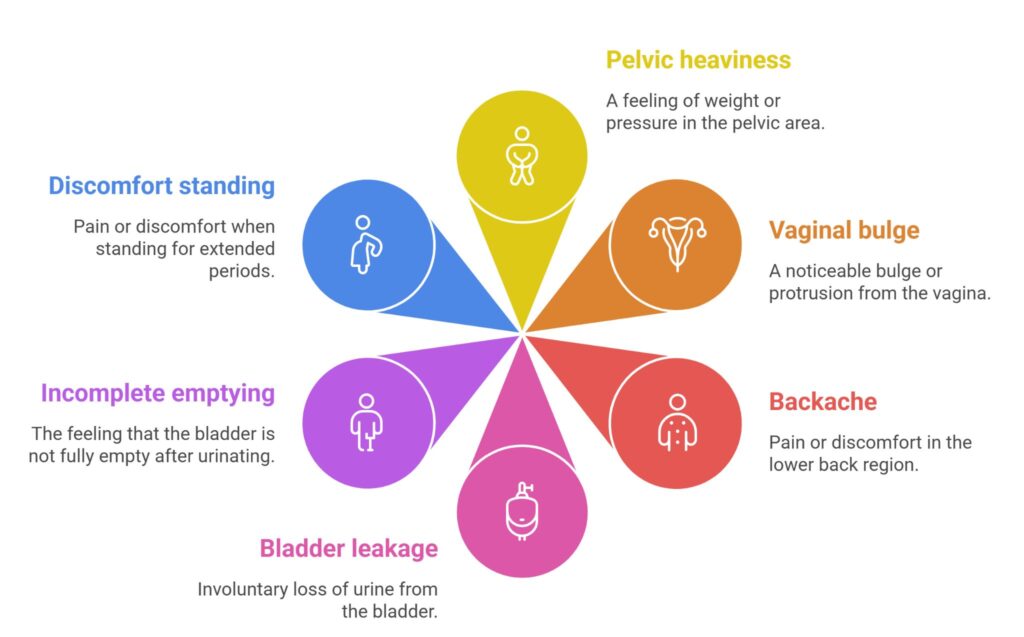
Common signs women ignore for too long: pelvic heaviness, a vaginal bulge, backache, bladder leakage, incomplete emptying, and discomfort while standing for long periods.
Why robotic surgery stands out
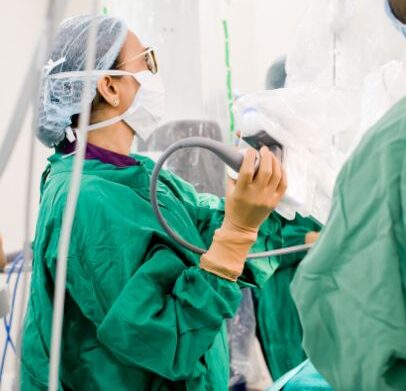
Robotic uterine prolapse surgery is a minimally invasive approach used for selected pelvic support problems, including surgeries based on sacrocolpopexy or uterine-sparing support procedures. What makes robotics different is the combination of enhanced pelvic visualisation and refined instrument control during delicate reconstruction.
That matters because prolapse surgery is about restoring support, not simply removing tissue. In suitable patients, robotic prolapse surgery is associated with smaller incisions, less blood loss, shorter hospital stay, and quicker recovery than traditional open surgery.
Robotic vs open surgery
Treatment feature | Robotic minimally invasive surgery | Open surgery |
|---|---|---|
Incisions | Small keyhole incisions | Larger abdominal incision |
Precision in the deep pelvis | Better controlled movements for delicate repair. | More limited in confined spaces. |
Blood loss | Often lower in suitable cases.
| Often higher than minimally invasive techniques.
|
Recovery | Often faster in selected patients.
| Usually longer.
|
Hospital stay | Often shorter for suitable patients. | Usually longer than minimally invasive repair. |
For the right patient, robotic surgery brings together advanced technology and expert surgical skill to make prolapse repair more precise and less invasive.
- Dr Amita Shah | Precision | Compassion | Care
Advanced Robotic & LaparoscopicGynecological Surgeon in Gurugram
Dr Amita Shah is one of the top Gyneacologists & is one of the best robotic laparoscopic surgeons in India for taking care of women, from adolescence to menopause to the elderly stage.
A surgeon combining decades of experience with robotic precision.
- Senior Gynecologist with 30 Years of Expertise
- Personalized & Compassionate Care
- 700+ 5-Star Reviews on Google

Recovery after robotic prolapse surgery
Recovery depends on the exact procedure and the patient’s overall health, but minimally invasive prolapse surgery generally supports earlier movement and shorter recovery than open surgery. Patients are usually advised to avoid heavy lifting and activities that strain the pelvic floor during healing.
Recovery expectations
Recovery point | General expectation |
|---|---|
Hospital stay | Same-day or short stay may be possible in selected minimally invasive cases.
|
Pain levels | Often less post-operative discomfort than with open surgery. |
Return to routine | Usually quicker than open surgery, depending on the procedure and healing. |
Activity restriction | Heavy lifting is commonly restricted during recovery. |
Follow-up | Post-operative review is important for healing and long-term support. |
Who should consider a consultation?
You should seek expert evaluation if prolapse symptoms are affecting your comfort, bladder function, mobility, intimacy, or confidence. Women who want to explore a more advanced minimally invasive option may also benefit from discussing whether robotic surgery is suitable for their case.
You may be a candidate if:
- You feel a vaginal bulge or downward pressure.
- You have urinary leakage or difficulty emptying the bladder.
- Symptoms worsen after standing or physical activity
- Conservative treatment has not given enough relief.
- You want to understand uterus-preserving and minimally invasive options.
Take the next step toward advanced prolapse care.
You do not have to live with uterine prolapse symptoms. A specialist consultation can clarify the stage of prolapse,whether surgery is needed, and whether a robotic approach is the right fit for you.
Frequently Asked Questions
Robotic uterine prolapse surgery is a minimally invasive surgical approach used to repair pelvic support problems with robotic assistance, small incisions, and enhanced pelvic visualisation.
Minimally invasive robotic surgery is generally associated with less post-operative pain than open surgery in suitable patients, although recovery varies from person to person.
In selected women, uterus-preserving procedures such as robotic sacrohysteropexy may be considered depending on anatomy, symptoms, and treatment goals.
Women with bothersome prolapse symptoms who want to explore minimally invasive treatment may be candidates, but suitability depends on specialist evaluation.
No single procedure is right for every woman. The best treatment depends on the prolapse type, symptom severity, anatomy, and personal goals.