
Online Consultation
Dr Amita shah Logo

Regain Hope, Treat Hidden Causes of Infertility Effectively

 Infertility can be emotionally and physically challenging. When standard fertility tests are inconclusive, laparoscopy surgery for infertility offers both a precise diagnosis and targeted treatment of underlying pelvic and reproductive issues using state-of-the-art minimally invasive surgery.

Regain Hope, Treat Hidden Causes of Infertility Effectively

 Infertility can be emotionally and physically challenging. When standard fertility tests are inconclusive, laparoscopy for infertility offers both a precise diagnosis and targeted treatment of underlying pelvic and reproductive issues using state-of-the-art minimally invasive surgery.

What is Laparoscopy for Infertility?

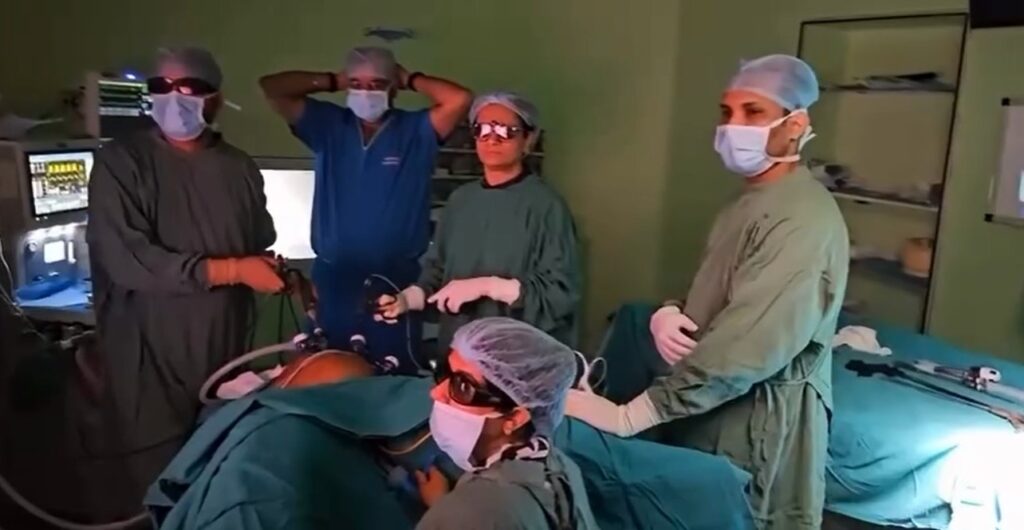
Many patients often search for laparoscopy means to better understand the procedure. Laparoscopy is a minimally invasive surgical procedure that allows fertility specialists to visually inspect a woman’s reproductive organs, including the uterus, fallopian tubes, and ovaries, using a tiny camera (laparoscope) inserted through small abdominal incisions with the help of a laparoscopy machine.

Unlike traditional open surgery, this “keyhole” technique results in smaller scars, less pain, and faster recovery.

Laparoscopy serves dual roles:

  • Diagnostic laparoscopy – Identify hidden causes of infertility.
  • Operative laparoscopy – Treat detected problems in the same session.

Why Is Laparoscopy Used in Infertility?

Laparoscopy may be recommended when:

  • Standard infertility investigations (ultrasound, hormone tests) are normal, but conception remains elusive.
  • A woman experiences pelvic pain, painful periods, or other symptoms suggestive of endometriosis, where a laparoscopy procedure endometriosis diagnosis may be required.
  • Imaging shows abnormalities (e.g., blocked tubes, cysts, fibroids).
  • Previous fertility treatments, like IUI, have failed.

Many patients prefer treatment at a specialized laparoscopy hospital gurgaon where advanced diagnostic and surgical techniques are available.

Conditions Identified or Treated with Laparoscopy

Laparoscopy can detect and treat many fertility-impacting conditions.

  • Blocked or damaged fallopian tubes, a major cause of infertility.
  • Endometriosis tissue outside the uterus interferes with normal function.
  • Pelvic adhesions are scar tissue that distorts reproductive organs.
  • Ovarian cysts laparoscopy can help diagnose and treat cysts affecting fertility.
  • Ovarian cyst surgery laparoscopy may be performed to remove cysts that interfere with ovulation.
  • Uterine fibroids & ovarian cysts can reduce fertility.

Laparoscopy is also widely used for other medical procedures, such as laparoscopy to remove gallbladder, demonstrating the versatility of this minimally invasive technique

Benefits of Laparoscopy for Infertility

Accurate diagnosis of hidden causes that other tests often miss.

Enhanced IVF success when factors like hydrosalpinx are corrected before ART.

Higher natural conception rates, often within months after surgery.

Simultaneous treatment during the same procedure.

Smaller incisions less pain and quicker recovery.

Risks & Safety

Like all surgeries, laparoscopy carries risks – most are minor

Your fertility specialist will discuss how these apply in your case and how to minimise them.
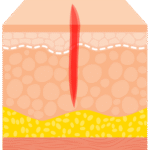
Local irritation or infection at incision sites.
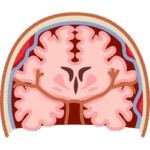
Rare risks such as adhesions, hematomas, or damage to nearby organs.

Recovery After Laparoscopy

Most patients return home the same day or the next. Recovery typically involves

Mild discomfort that eases within a few days.

Gradual return to light daily activities within a week.

Full recovery in 1–2 weeks for uncomplicated procedures.

Your doctor will guide recovery and conception timing.

Frequently Asked Questions

Not always. It’s recommended when non-invasive tests don’t explain infertility or when pelvic pathology is suspected.

Typically after one menstrual cycle, depending on your doctor’s advice.

Endometriosis, pelvic adhesions, mild tubal blockages, fibroids, cysts, and hydrosalpinx.

Correcting certain conditions before IVF can boost success rates.

Book an Appointment