



Contraceptive Solutions Finding What Actually Works for You
- Explore contraception options that fit your lifestyle
- Understand short-term and long-term methods
- Compare everyday use, benefits, and limitations
So Which Option Is Actually Right for You?
Condoms: For Now, On and Off
- Simple. No prescription, no procedure, nothing to schedule.
- The only method here that also protects against STIs, which people somehow forget once they're just focused on the pregnancy part
- Zero side effects on the woman's body
- Only actually works if it's used every time, and that's usually where things fall apart for people
IUCD, or Copper-T
- Two to three years of protection once it's placed, no daily thinking required
- Fertility comes back once it's taken out, this isn't permanent
- A decent middle-ground if you want space between kids, or you're just not sure yet
Tubal Ligation
- One decision, made once, instead of something you're managing every month for years
- Highly effective. Not perfect though.
- Rare cases of pregnancy still happen afterward, and if that occurs, there's a higher chance it's ectopic. That part is a real emergency, not a wait-and-see situation.
One more thing, and it’s worth just sitting with for a second. A lot of men aren’t great about using a condom consistently, and honestly that’s a huge part of why so many women end up exploring their own options instead of relying on their partner’s cooperation. Whatever you land on, it should be your call, made with your eyes open about what you’re trading off.
What Tubal Ligation Actually Involves
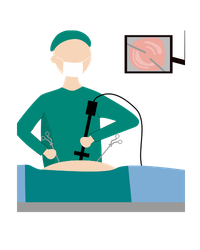
Laparoscopic Method
Two tiny cuts, each under a centimeter, low on the abdomen. Through those the surgeon reaches the fallopian tubes and either clips them shut, bands them, or cuts them outright. If they’re cut, the loose ends get sealed off with laser energy so there’s no chance of them reconnecting later. No stitches at all, just a bit of tape or a staple over each little incision, and that’s it.
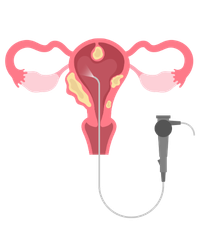
Hysteroscopic Method
This one skips cutting the skin entirely, which some women find a relief just knowing. A thin instrument goes in through the vagina, up into the uterus, and the same laser approach seals off the tube openings from the inside.
Practically speaking, the laparoscopic route usually means one night in the hospital. The hysteroscopic version is often done same-day, in and out. Neither one comes close to the downtime you’d get with open surgery, and most women feel back to normal within a matter of days, not weeks like people sometimes assume.
- Dr Amita Shah | Precision | Compassion | Care
Advanced Robotic & LaparoscopicGynecological Surgeon in Gurugram
Dr Amita Shah is one of the top Gyneacologists & is one of the best robotic laparoscopic surgeons in India for taking care of women, from adolescence to menopause to the elderly stage.
A surgeon combining decades of experience with robotic precision.
- Senior Gynecologist with 30 Years of Expertise
- Personalized & Compassionate Care
- 700+ 5-Star Reviews on Google

Frequently Asked Questions
Is tubal ligation reversible?
Does it mess with my periods, hormones, or sex drive?
No, not really, not in any way that matters. All this procedure touches is the tubes. It has nothing to do with your ovaries or your hormone levels. Periods stay the same, hormones stay the same, libido isn’t affected either.
How fast can I get back to normal after the surgery?
Most women feel like themselves again within a few days after the laparoscopic version, even quicker with the hysteroscopic one. Your doctor will give you a more exact timeline once she’s actually seen your case.
Can I still get pregnant after tubal ligation?
Rare, but yes, it can still happen. And when it does, there’s an elevated chance it’s ectopic, meaning the pregnancy is sitting somewhere outside the uterus. That’s not something to wait out at home and hope for the best. Any pregnancy symptoms after this surgery need checking, right away.
Would IUCD make more sense if I might want kids down the line?
Probably, yeah. Unlike tubal ligation, it isn’t permanent. Take it out, and fertility usually bounces back fairly quick. Good middle-ground if you’re just not ready to shut that door for good yet.