


Ask a room full of women over 35 if they’ve heard of a uterine fibroid, and nearly every hand goes up. Ask how many have one, and it gets quiet. Here’s the thing: plenty of them do. They just don’t know it.
Fibroids are the most common growth in the female reproductive system. Studies suggest up to 70% of women develop at least one by the age of 50. Most never cause any trouble. Some bring heavy periods, pain or difficulty getting pregnant. This guide helps you work out which group you might fall into.
What Is a Uterine Fibroid?
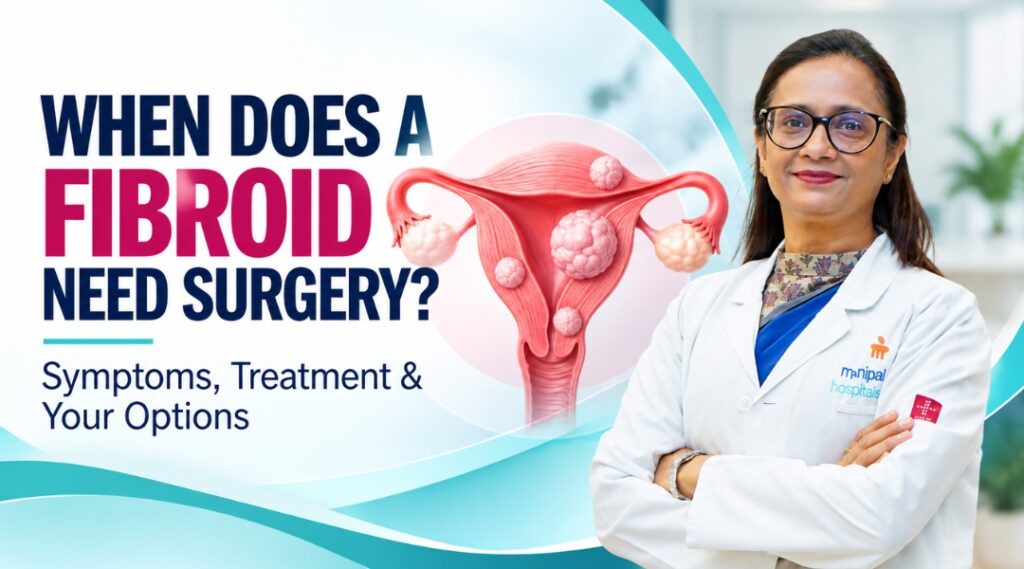
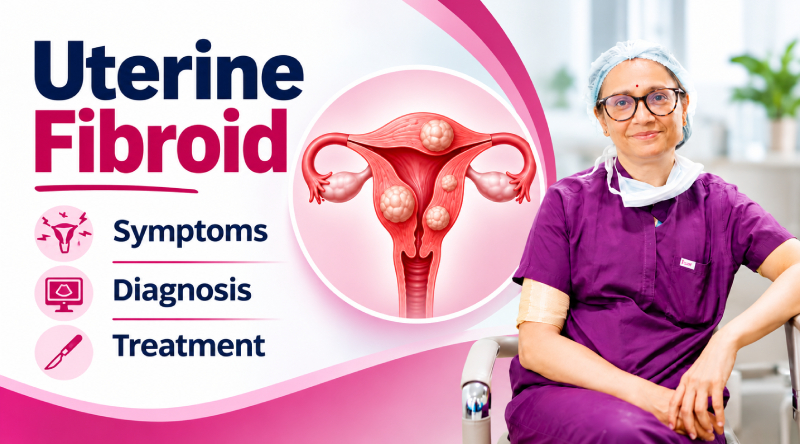
A uterine fibroid is a firm, round lump of muscle and fibrous tissue that grows from the wall of the uterus. You may hear doctors call it a myoma or leiomyoma. It’s benign. That means it isn’t cancer, and it doesn’t spread to other parts of the body.
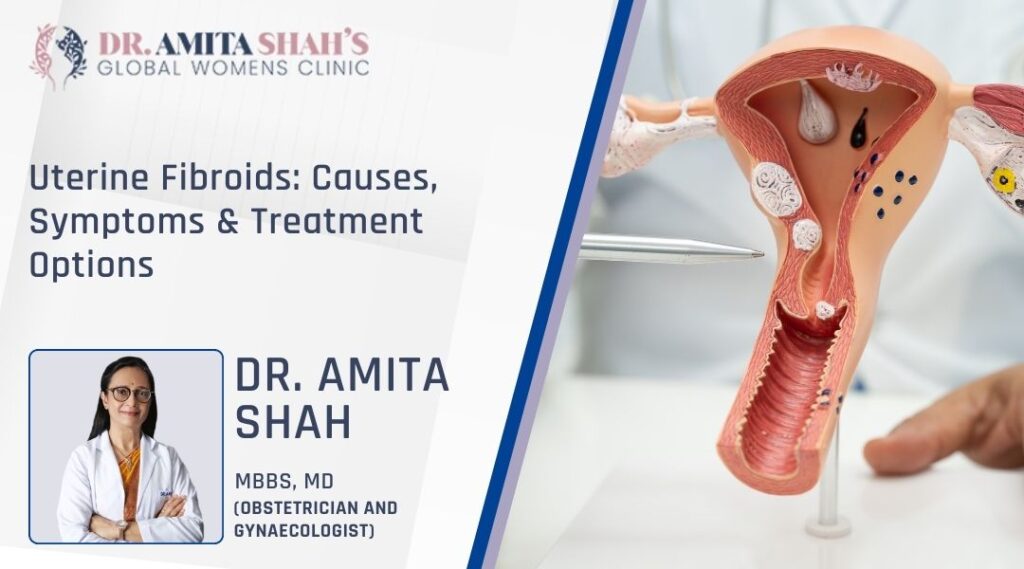
Size varies a lot. Some are tiny. Others grow big enough to make your belly look several months pregnant. You might have just one, or a whole cluster. Doctors name them by where they sit: intramural (inside the wall), subserosal (on the outer surface) or submucosal (pushing into the inner lining).
What Causes Fibroids?
No one knows the exact cause. But doctors have a good idea of what makes them more likely:
- Hormones: Oestrogen and progesterone feed fibroid growth. That’s why fibroids grow through the reproductive years and shrink after menopause.
- Family history: If your mother or sister had fibroids, your chances go up.
- Age: They’re most common between 30 and 50.
- Early periods: Starting before the age of 10 or 11 means your body has more years of exposure to these hormones.
- Weight: Being overweight raises oestrogen levels.
- Diet: Eating a lot of red meat, and little fruit, vegetables and dairy, has been linked to higher risk.
- Low vitamin D: Several studies have found a link. That matters in India, where vitamin D deficiency is widespread.
Ticking one or more of these boxes doesn’t mean you’ll get fibroids. It just means regular check-ups are a smart idea.
Uterine Fibroid Symptoms Women Often Miss
Many women put up with fibroid symptoms for years because they assume heavy, painful periods are just how it is. They’re not. Watch for:
- Periods that last more than a week, or soak a pad every one or two hours
- Blood clots the size of a coin or larger
- Feeling tired, dizzy or breathless, often a sign of low haemoglobin
- A heavy, full feeling in the lower belly
- Needing to pass urine often, especially at night
- Constipation or bloating that won’t go away
- Lower back or leg pain
- Pain during intercourse
- Trouble getting pregnant, or repeated miscarriages
If two or three of these ring a bell, book a consultation. Don’t just wait it out.
How Are Fibroids Diagnosed?
The good news? Finding a fibroid is usually quick and painless.
- Pelvic examination: During a routine check, your gynaecologist may feel an enlarged or irregular uterus.
- Ultrasound: An abdominal or transvaginal scan is the main test. In about 15 minutes, it shows how many fibroids there are, how big they are and where they sit.
- Blood tests: A haemoglobin test checks for anaemia. A thyroid test rules out other causes of heavy bleeding.
- MRI: Doctors use it when there are many fibroids or surgery is being planned, since it gives an exact map of the uterus.
- Hysteroscopy: A thin camera goes through the cervix to look inside the uterus. For some fibroids, it can diagnose and remove them in the same sitting.
One small tip. Bring your period history to the appointment: how
Uterine Fibroid Treatment Options
The right treatment depends on your symptoms, the size and position of the fibroid, your age, and whether you plan to have children.
| Option | Best suited for |
| Watchful waiting | Small fibroids with no symptoms. Scan every 6 to 12 months |
| Medicines | Heavy bleeding or pain. Tranexamic acid, hormonal pills, hormonal IUD, iron |
| GnRH therapy | Shrinking fibroids for a few months, often before surgery |
| Hysteroscopic removal | Fibroids inside the uterine cavity. No cuts on the belly |
| Laparoscopic or robotic myomectomy | Removing fibroids while keeping the uterus, ideal for future pregnancy |
| Laparoscopic or robotic hysterectomy | Large or multiple fibroids when the family is complete |
Keyhole and robotic surgery mean small cuts, less pain and a hospital stay of a day or two. Most women are back at desk work in two to three weeks. Read more about uterine fibroid treatment, laparoscopic fibroid surgery and robotic myomectomy.
long your periods last, how many pads you use, and any clots. It helps your doctor more than you’d think.
Fibroid Myths vs Facts
Myth: A fibroid means your uterus will have to come out.
Fact: Most women never need surgery. And those who do can often keep their uterus with a myomectomy.
Myth: Fibroids turn into cancer.
Fact: Fibroids are benign. A cancerous growth called leiomyosarcoma is very rare, and it’s a separate condition.
Myth: You can’t get pregnant with fibroids.
Fact: Many women with fibroids conceive and deliver normally. Only certain fibroids, mainly the ones inside the cavity, affect fertility.
Myth: Fibroids always come back after surgery.
Fact: New ones can grow in some women. But many stay fibroid-free for years, especially if they’re closer to menopause.
Everyday Habits That Help
Let’s be clear: no food or exercise can melt a fibroid away. But small habits can ease your symptoms and lower your risk:
- Eat plenty of green vegetables, fruit, dals and whole grains
- Cut back on red meat, fried food and sugary drinks
- Add iron-rich foods like spinach, beetroot, jaggery and dates if your periods are heavy
- Get your vitamin D checked, and spend a little time in the morning sun
- Stay active with brisk walking, yoga or cycling for 30 minutes a day
- Keep a healthy weight, since extra body fat raises oestrogen
Recovering from surgery? Here’s what to eat after fibroid surgery.
Frequently Asked Questions
Are uterine fibroids dangerous?
Usually not. They’re benign. But heavy bleeding from fibroids can lead to serious anaemia if it’s ignored.
Do fibroids cause weight gain?
Large fibroids can make your belly look bigger and add some weight. They’re rarely the main reason someone gains weight, though.
Can fibroids grow during pregnancy?
Some do, in the first trimester, because of rising hormones. Your doctor will watch them with regular scans.
Is fibroid surgery safe?
In experienced hands, yes. Laparoscopic and robotic fibroid surgery is very safe, with small cuts and a quick recovery. You’ll find more answers on our fibroid FAQs page.
Get Your Fibroid Checked in Gurugram
A uterine fibroid is common, usually harmless and very treatable. What matters is getting the right advice early, before heavy bleeding drains your energy or a growing fibroid narrows your options.
Dr. Amita Shah is a gynaecologist and advanced robotic and laparoscopic surgeon with more than 30 years of experience in fibroid care. She sees patients at Manipal Hospital, Palam Vihar, Gurugram. She takes the time to explain every option, from simple monitoring to keyhole surgery that keeps your uterus.
Call +91-9773975611 or book an appointment today.