


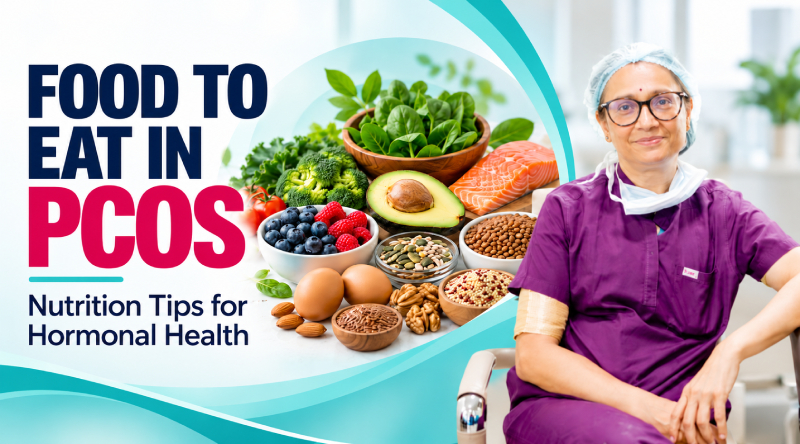
Food to Eat in PCOS: So, What Goes on Your Plate?
If you have PCOS, chances are someone has told you to “just lose some weight.” And then nobody told you what to eat.
One relative says stop eating rice. A reel says go keto. A colleague swears by apple cider vinegar shots at 6 am. A friend has started “seed cycling.” No wonder you’re confused.
Here’s the good news. You don’t need imported superfoods or a diet with a fancy name. Most of what helps PCOS is already in an Indian kitchen: dal, sabzi, curd, a handful of nuts, even the methi seeds in your mother’s masala dabba. It comes down to picking the right versions and putting them together the right way.
This guide from the clinic of Dr. Amita Shah, a senior gynecologist in Gurgaon who has cared for women with PCOS for over 30 years, covers what to eat, what to cut back on and what a PCOS-friendly day can look like. No starving. No giving up roti forever.
Why Food Matters So Much in PCOS
PCOS (polycystic ovary syndrome, also called PCOD) is one of the most common hormone problems in women of childbearing age. Gynecologists in India now see it often in teenagers and women in their twenties, not just women trying to conceive.
At the centre of PCOS for many women is something called insulin resistance. Your body makes insulin to move sugar from your blood into your cells. When cells stop responding well, the body pumps out more and more insulin to get the job done.
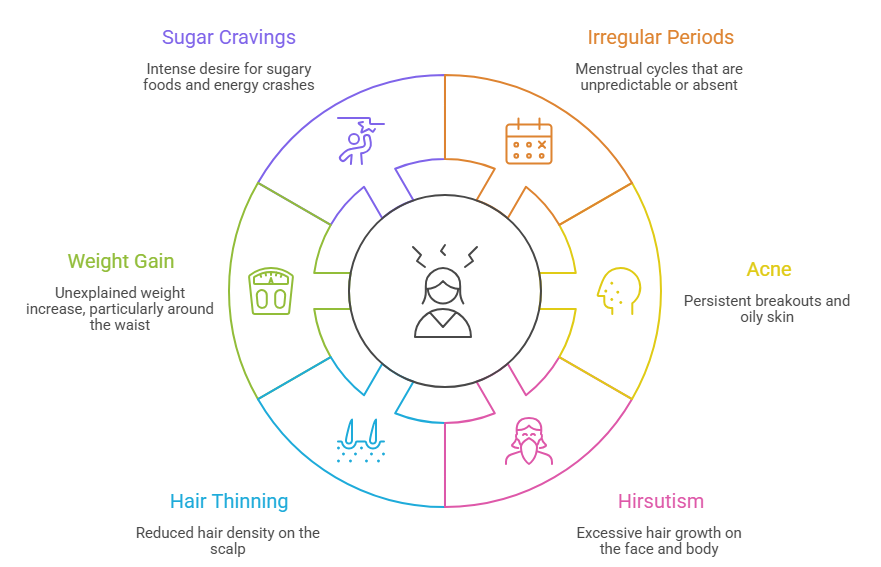
That extra insulin nudges the ovaries to make more male hormones (androgens). The result is the PCOS symptoms you probably know too well:
- Irregular, delayed or missed periods
- Acne and oily skin
- Extra hair on the face, chin or belly
- Hair thinning on the scalp
- Weight gain, especially around the waist
- Sugar cravings and an energy crash after meals
This is where food comes in. What you eat has a direct effect on your blood sugar, which affects your insulin, which affects your hormones. Change the first link in that chain and the rest often follows.
For women who are overweight, losing even 5 to 10 percent of body weight can help periods become more regular and improve the chances of ovulation. And if you’re slim with PCOS (often called “lean PCOS”), food still matters, because insulin resistance can be present at any weight.
Best Foods to Eat in PCOS (Straight From Your Indian Kitchen)
A simple way to build any meal: fill half your plate with vegetables, a quarter with protein and a quarter with whole grains. Now let’s look at what goes into each part.
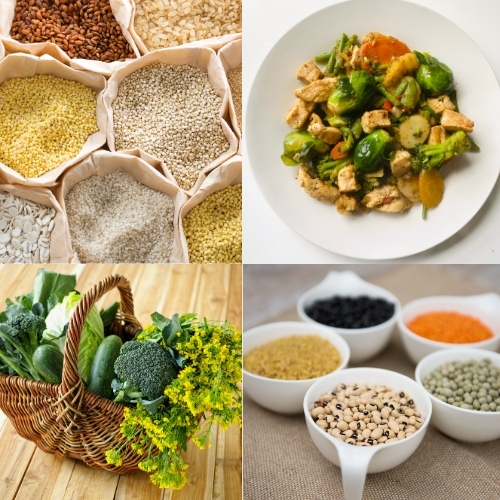
1. Millets and whole grains
Jowar, bajra, ragi, oats, dalia and brown rice release sugar slowly, so you don’t get that spike and crash. They also keep you full for longer.
- Swap one maida or plain wheat roti a day for a jowar or bajra roti
- Try ragi dosa, oats chilla or vegetable dalia for breakfast
- Mix a little brown rice or foxtail millet into your regular rice to start
2. Dals, beans and sprouts
Rajma, chana, moong, masoor and lobia give you protein and fibre in one bowl. That combination is exactly what keeps blood sugar steady.
- A katori of dal with lunch and dinner
- Sprouted moong chaat as a snack
- Chana or rajma salad with onion, tomato and lemon
3. Protein at every meal
Protein slows down digestion and keeps hunger in check. Many Indian breakfasts are mostly carbs (poha, upma, paratha), so this is where most women can make the quickest change.
- Paneer, tofu, eggs, curd, fish and chicken
- Add paneer to your paratha stuffing, or eggs on the side of your poha
- Greek yogurt or hung curd as a dip instead of mayo
4. Vegetables and leafy greens
Palak, methi, bathua, lauki, tori, bhindi, broccoli, cauliflower, capsicum and beans are full of fibre and very low in sugar. Aim for at least two different coloured vegetables a day.
5. Healthy fats
Good fats help your body make hormones and keep you satisfied. Omega-3 fats in particular may help calm inflammation, which is often raised in PCOS.
- Walnuts, almonds and pumpkin seeds (a small handful a day)
- Flaxseeds and chia seeds sprinkled on curd, dalia or salad
- Fatty fish like salmon, mackerel (bangda) or sardines
- Cook with mustard oil, groundnut oil or a little ghee, and keep portions small
6. Low-sugar fruits
You don’t have to give up fruit. Pick whole fruits over juice, and pair them with a few nuts to slow the sugar.
- Guava, apple, pear, orange, jamun, berries and papaya are great choices
- Mango, chikoo and grapes are fine now and then in small portions
7. Curd and fermented foods
Homemade curd, chaas, and fermented batters like idli and dosa feed the good bacteria in your gut. A healthy gut is linked with better blood sugar control.
8. Spices that pull their weight
Some small studies suggest cinnamon and methi (fenugreek) seeds may help the body use insulin better, and turmeric may help with inflammation. Spearmint tea has shown early promise in lowering male hormones and reducing unwanted hair growth. Treat them as helpers alongside good meals, not as a cure.
Foods to Limit or Avoid in PCOS
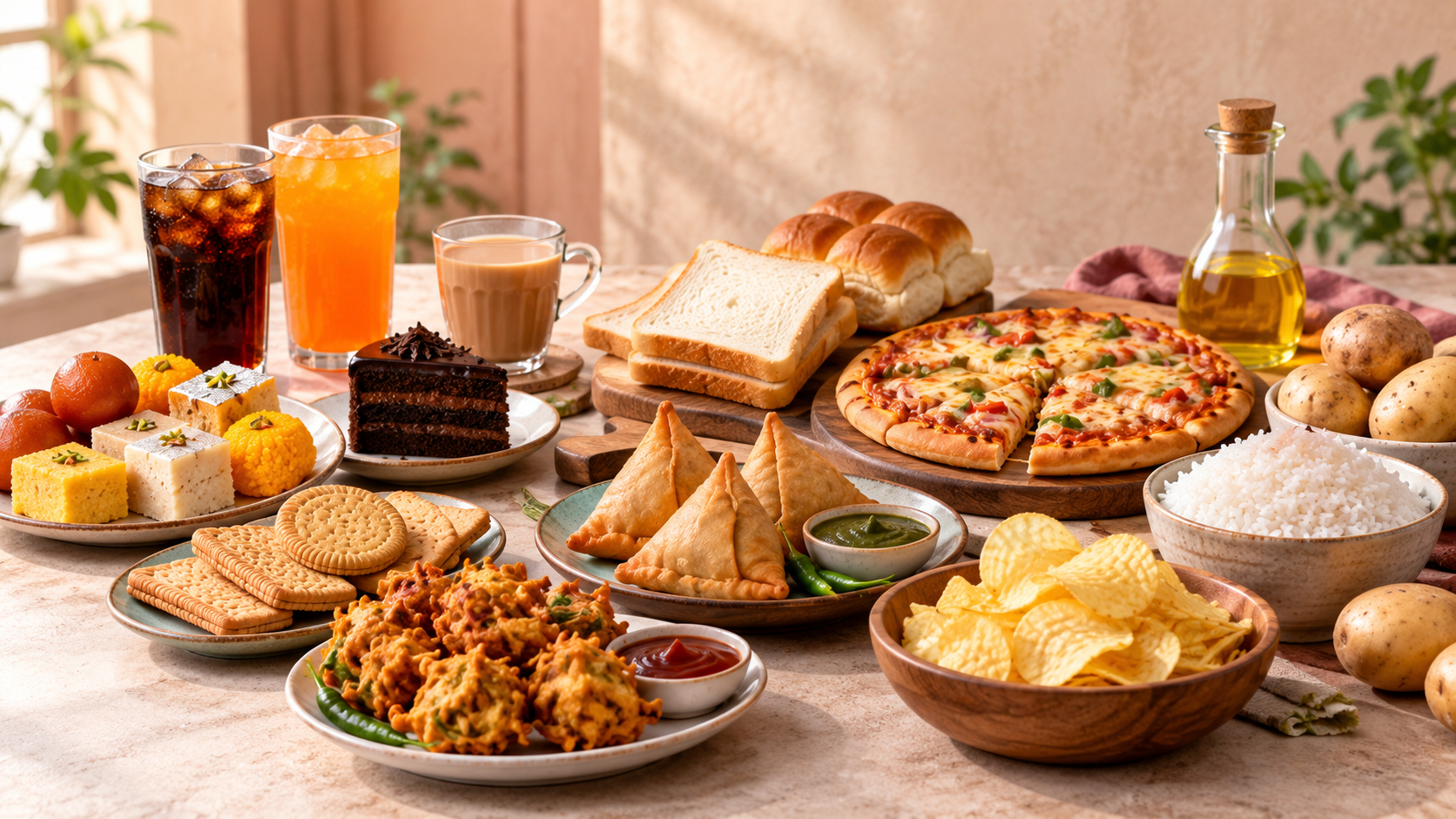
Notice the word “limit.” Nobody is asking you to skip your cousin’s wedding dessert. The goal is to make these foods occasional, not daily.
- Sugar in all its disguises: mithai, biscuits, cakes, sweetened chai and coffee, and “healthy” granola bars
- Sugary drinks: cold drinks, packaged fruit juices, sweetened lassi and energy drinks. These spike blood sugar faster than almost anything else
- Maida: white bread, pav, naan, rumali roti, pizza bases and most bakery items
- Deep-fried snacks: samosa, pakora, bhature, namkeen and chips
- Vanaspati and reused oil: common in street food and packaged snacks
- Large portions of white rice and potato: you can still eat them, just in smaller amounts and alongside dal, vegetables or protein
- Alcohol: adds empty calories and can disturb sleep and blood sugar
Easy PCOS-friendly swaps
| Instead of | Try |
| Aloo paratha with butter | Paneer or methi paratha made with multigrain atta |
| White bread sandwich | Besan or moong dal chilla |
| Packaged fruit juice | Whole guava or apple with 4 to 5 almonds |
| Namkeen or chips with tea | Roasted chana or makhana |
| Sweetened lassi | Salted chaas with jeera |
| A big plate of white rice | Half rice, half sabzi, with a bowl of dal |
| Biscuits at 5 pm | A small handful of mixed nuts |
A Sample PCOS Diet Chart (Indian Style)
Here’s what one PCOS-friendly day can look like. It’s a starting point, not a strict plan, so change it to suit your routine, your region and what’s already cooking at home.
| Meal | What to eat | Why it works |
| Early morning | Warm water with soaked methi seeds, plus 2 soaked almonds and 1 walnut | Gentle start, healthy fats before tea |
| Breakfast | Moong dal chilla stuffed with paneer and mint chutney, or a 2-egg bhurji with one multigrain toast | Protein-first breakfast keeps cravings away till lunch |
| Mid-morning | A guava or apple, or a glass of chaas | Fibre and hydration |
| Lunch | 1 to 2 jowar or bajra rotis, a bowl of dal, a big serving of sabzi, salad and curd | The balanced plate: grains, protein, veggies and gut-friendly curd |
| Evening | Roasted chana or makhana with low-sugar chai or spearmint tea | Beats the 5 pm biscuit craving |
| Dinner | Paneer or fish tikka with sauteed vegetables, or a vegetable dalia khichdi | Light, protein-rich, easy to digest |
A few habits make this work even better:
- Eat at roughly the same times each day and don’t skip breakfast
- Have dinner at least 2 to 3 hours before bed
- Take a 10 to 15 minute walk after your biggest meal
- Drink enough water through the day
Every woman with PCOS is different. If you have diabetes, thyroid problems, are trying to get pregnant or take any medicines, ask your gynecologist or a dietitian to tailor this for you.
PCOS Food Myths You Can Stop Believing
Myth: “I have to give up rice and roti forever.” You don’t. Smaller portions, whole-grain versions and pairing them with dal, sabzi or protein make the difference.
Myth: “I’m thin, so my diet doesn’t matter.” Lean women with PCOS can still have insulin resistance. Good food choices help periods, skin and energy at any weight.
Myth: “Keto or a crash diet is the fastest fix.” Very strict diets are hard to keep up, can upset your cycle further and usually lead to the weight coming back. A steady, balanced way of eating lasts.
Myth: “All dairy is bad for PCOS.” The research is mixed. Plain curd, chaas and paneer suit most women well. Sweetened milk drinks, flavoured yogurts and ice cream are the ones to cut down.
Myth: “Seed cycling or a supplement will cure my PCOS.” There’s little scientific proof behind seed cycling. Some supplements, like inositol or vitamin D, may help certain women, but take them only after checking with your doctor.
Myth: “I must go gluten-free.” Unless you have celiac disease or a diagnosed gluten problem, there’s no need. Whole wheat in sensible portions is fine.
Beyond the Plate: Habits That Help PCOS
Food works best alongside a few daily habits.
- Move most days. Aim for about 150 minutes of moderate activity a week, like brisk walking, cycling, dancing or swimming. Add strength training (squats, resistance bands, light weights) twice a week, since muscle helps your body use sugar better.
- Sleep 7 to 8 hours. Poor sleep raises hunger hormones and makes sugar control harder.
- Manage stress. High stress hormones can make PCOS symptoms worse. Yoga, pranayama, a walk outdoors or 10 quiet minutes each evening can help.
- Be patient. Many women notice changes in energy and cravings within a few weeks, while periods and skin can take a few months to respond.
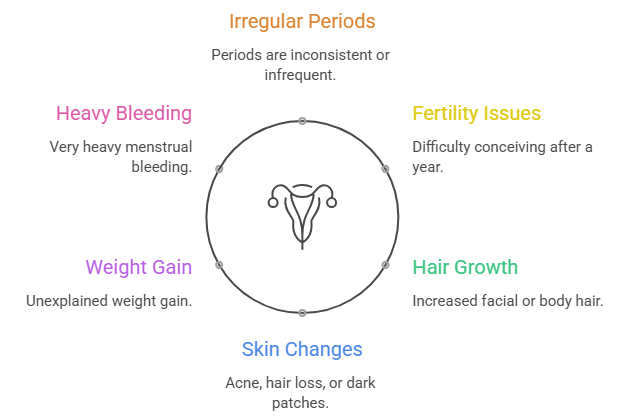
When Should You See a Gynecologist for PCOS?
Food can make a big difference, but it isn’t the whole treatment. Book a check-up if you notice any of these:
- Periods that come more than 35 days apart, or fewer than 8 periods a year
- Trouble getting pregnant after a year of trying (6 months if you’re over 35)
- More facial or body hair, stubborn acne or hair loss
- Dark, velvety patches of skin on the neck or underarms
- Weight gain that your diet doesn’t explain
- Very heavy bleeding when periods do come
PCOS treatment depends on your goal. Some women want regular periods, some want clearer skin and some want to get pregnant.
A gynecologist can confirm the diagnosis with an ultrasound and blood tests, check for related problems like diabetes and thyroid issues, and make a plan that may include medicines along with diet changes.
Get PCOS care in Gurgaon with Dr. Amita Shah
Dr. Amita Shah has over 30 years of experience in gynaecology and has seen more than 30,000 patients. She looks at your symptoms, reports, lifestyle and goals together, and makes a plan that fits your life.
- Clinic: 12, First Floor, Global Foyer Mall, Pocket H, Sector 1, Palam Vihar, Gurugram
- Also consults at Manipal Hospital, Palam Vihar, Gurugram
- Call: +91-9773975611
- Book an appointment online
Read more about PCOS treatment in Gurgaon, fertility solutions and menstrual disorders.
Frequently Asked Questions About the PCOS Diet
1. What is the best breakfast for PCOS?
A protein-rich breakfast works best. Try moong dal or besan chilla with paneer, vegetable oats, egg bhurji with multigrain toast, or ragi dosa with sambar.
2. Can I eat rice if I have PCOS?
Yes. Keep the portion small, mix in brown rice or millets if you like, and always eat it with dal, vegetables or protein so the sugar is released slowly.
3. Is banana good for PCOS?
A banana is fine in moderation. Choose a small one that isn’t overripe and eat it with a few nuts or some curd.
4. Which fruits are best for PCOS?
Guava, apple, pear, orange, jamun, berries and papaya are good everyday choices, since they’re high in fibre and lower in sugar.
5. Is the diet for PCOD different from PCOS?
No. In India, PCOD and PCOS are often used for the same condition, and the same way of eating helps both.
6. Can diet alone cure PCOS?
PCOS has no permanent cure, but good food habits can control many symptoms and, in some women, bring periods back on track. Many women also need medicines, so follow your gynecologist’s advice.
7. Can the right diet help me get pregnant with PCOS?
It can help. In overweight women, losing 5 to 10 percent of body weight often improves ovulation. If you’ve been trying to conceive without success, see a gynecologist for a fertility check-up as well.
This article is for general information and does not replace medical advice. Please speak to your doctor before making major changes to your diet or starting supplements.