


Uterine Fibroid: Causes, Symptoms, Types, and Best Treatment Options
Fibroids are one of the most common gynaecological conditions affecting women during their reproductive years. Medically known as uterine fibroid, these growths are non-cancerous tumors that develop in or around the uterus.
Although fibroids are usually benign, they can sometimes lead to uncomfortable symptoms such as heavy bleeding, pelvic pain, and fertility problems. Understanding the uterine fibroid definition, symptoms, and treatment options can help women seek timely medical care.
Uterine Fibroid Definition
The uterine fibroid definition refers to non-cancerous growth made of smooth muscle cells and fibrous connective tissue that develop in the wall of the uterus.
These growths are also called:
- Uterine fibroids
- Myomas
- Uterine fibroid
Fibroids can vary in size. Some are extremely small and remain unnoticed, while others can grow large enough to change the shape of the uterus.
Most fibroids are not cancerous, but women should still understand possible fibroid disease symptoms and seek medical consultation when necessary.
What Causes Uterine Fibroids?
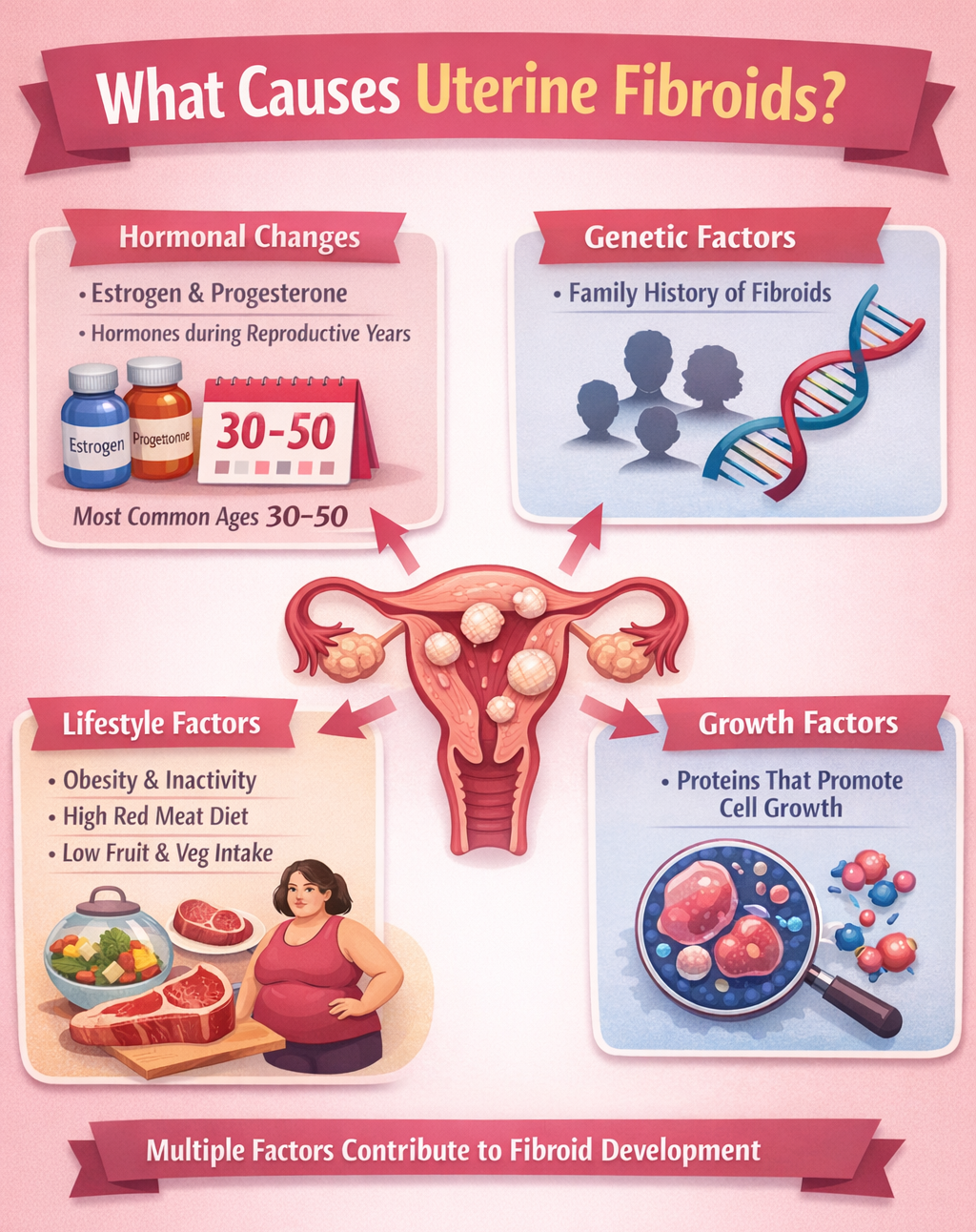
Many women often ask what causes uterine fibroids. The exact cause is still not completely understood, but several factors contribute to fibroid development.
Hormonal Changes
Estrogen and progesterone hormones stimulate the growth of fibroids. These hormones are highest during the reproductive years, which is why fibroids are most common in women aged 30–50.
Genetic Factors
A family history of fibroids increases the chances of developing them.
Lifestyle Factors
Certain lifestyle factors may contribute to fibroid growth, including:
- Obesity
- Lack of physical activity
- High consumption of red meat
- Low intake of fruits and vegetables
Growth Factors
Some proteins that help body tissues grow may also play a role in fibroid development.
Types of Uterine Fibroid
There are different types of uterine fibroids, depending on where they grow in the uterus.
Intramural Fibroids
These develop within the muscular wall of the uterus and are the most common type.
Submucosal Fibroids
These fibroids grow just beneath the lining of the uterus and may extend into the uterine cavity. They often cause heavy menstrual bleeding and fertility problems.
Subserosal Fibroids
A subserosal uterine fibroid grows on the outer wall of the uterus. Large subserosal fibroid of uterus may press against nearby organs such as the bladder or intestines.
Pedunculated Fibroids
These fibroids grow on a thin stalk attached to the uterus either inside or outside the uterine wall.
Fibroid Disease Symptoms
Many women may not experience symptoms, especially if the fibroids are small. However, noticeable fibroid disease symptoms may occur depending on the size and location of the fibroids.
Common symptoms include:
- Heavy menstrual bleeding
- Long or painful periods
- Pelvic pain or pressure
- Lower back pain
- Frequent urination
- Constipation
- Pain during intercourse
- Abdominal swelling
- Difficulty conceiving
Some women also worry about fibroid cancer symptoms. It is important to know that uterine fibroids are almost always benign. Cancerous fibroids are extremely rare, but rapid growth, severe pain, or unusual bleeding should always be evaluated by a doctor.
Uterine Fibroid Red Degeneration
In some cases, fibroids may undergo a condition known as uterine fibroid red degeneration. This usually occurs during pregnancy or when the fibroid grows rapidly.
Red degeneration happens when the fibroid loses its blood supply, leading to:
- Sudden abdominal pain
- Fever
- Tenderness in the abdomen
Although painful, this condition is usually temporary and managed with medical care.
Diagnosis of Fibroids
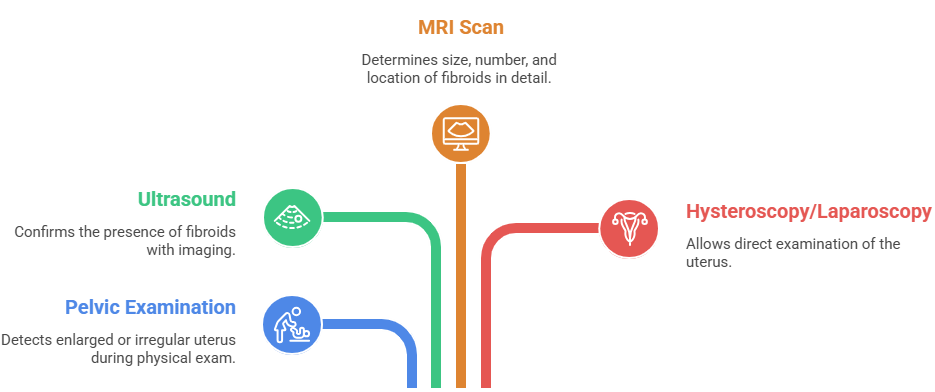
Doctors diagnose fibroids using several methods.
Pelvic Examination
A doctor may detect an enlarged or irregular uterus during a physical exam.
Ultrasound
Ultrasound imaging is commonly used to confirm the presence of fibroids.
MRI Scan
MRI scans help determine the size, number, and location of fibroids in detail.
Hysteroscopy or Laparoscopy
These minimally invasive procedures allow doctors to examine the uterus directly.
Best Uterine Fibroid Treatment
The best uterine fibroid treatment depends on various factors including the size of the fibroid, symptoms, age of the patient, and future pregnancy plans.
Treatment options range from medications to surgical procedures.
New Fibroid Treatment Without Surgery
Many women prefer new fibroid treatment without surgery when possible. Some modern treatments include:
Uterine Fibroid Embolization (UFE)
This procedure blocks the blood supply to the fibroid, causing it to shrink.
MRI-Guided Focused Ultrasound
This non-invasive treatment uses high-energy ultrasound waves to destroy fibroid tissue.
These treatments are often effective for women who want to avoid traditional fibroid operations.
Fibroid Operation and Surgical Treatments
When fibroids cause severe symptoms, doctors may recommend fibroid surgery in the uterus.
Myomectomy
This procedure removes fibroids while preserving the uterus. It is often recommended for women who wish to have children.
Hysterectomy
This surgery removes the uterus completely and is considered a permanent solution.
Fibroid-Removing Surgery
A fibroid-removing surgery may be performed through minimally invasive techniques such as laparoscopy or hysteroscopy, depending on the fibroid location.
These procedures are commonly referred to as a fibroid operation or fibroid surgery in the uterus.
How to Treat a Fibroid Naturally
Many women also ask how to treat a fibroid through lifestyle changes. While natural methods may not completely eliminate fibroids, they can help manage symptoms.
Helpful practices include:
- Maintaining a healthy weight
- Exercising regularly
- Managing stress
- Eating a balanced diet
Food to Avoid With Fibroid
Diet can also influence hormone balance. Some experts suggest limiting certain foods.
Common foods to avoid with fibroid include:
- Red meat
- Processed foods
- Excess sugar
- Alcohol
- High-fat dairy products
- Caffeine in excess
Instead, focus on a diet rich in:
- Green leafy vegetables
- Fruits
- Whole grains
- Fiber-rich foods
When to See a Doctor
You should consult a healthcare professional if you experience:
- Severe pelvic pain
- Heavy or prolonged menstrual bleeding
- Rapid abdominal swelling
- Fertility problems
- Symptoms that affect daily life
Early diagnosis helps in choosing the best uterine fibroid treatment before complications arise.
Conclusion
Uterine fibroid is a common condition affecting many women worldwide. While they are usually benign, they can sometimes cause discomfort, fertility issues, or menstrual problems.
Understanding the types of uterine fibroids, recognizing fibroid disease symptoms, and knowing available treatments from new fibroid treatment without surgery to fibroid removing surgery can help women manage this condition effectively.
If you notice symptoms or suspect fibroids, consulting a qualified doctor can help determine the most suitable treatment and ensure long-term reproductive health.