


It usually starts with one line on an ultrasound report: “Bulky uterus with intramural fibroid, 3.2 cm.” You read it twice, search it on your phone at midnight, and by morning you are sure you need an operation.
Take a breath. A fibroid in the uterus is one of the most common findings in gynaecology, and most fibroids never need surgery. Some need nothing more than a scan once a year. The real question is not “Do I have a fibroid?” but “Is this fibroid causing me trouble?” Here is how that decision gets made.
What Exactly Is a Fibroid?
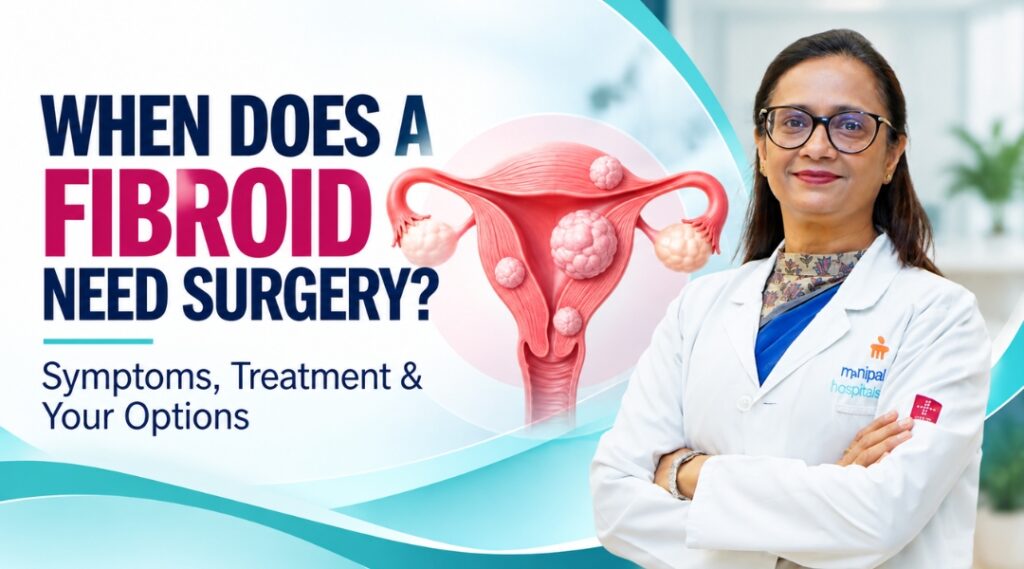
A fibroid (doctors call it a myoma or leiomyoma) is a lump of muscle tissue that grows in or on the wall of the uterus. It is not cancer, and it very rarely becomes cancer. Fibroids can be as small as a seed or larger than a grapefruit, and many women have more than one.
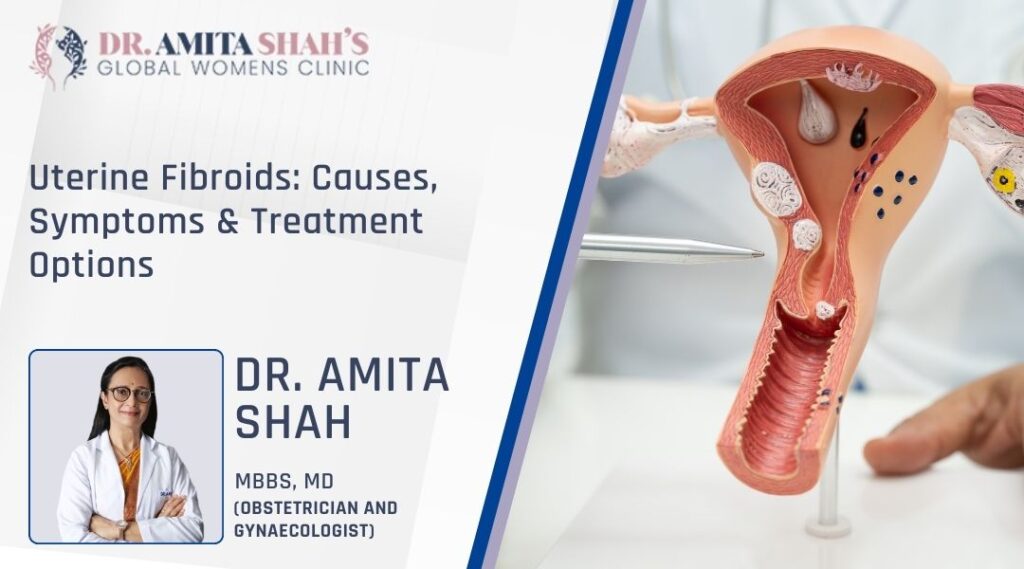
Where a fibroid sits often matters more than how big it is:
- Intramural: inside the muscle wall. The most common type.
- Subserosal: on the outer surface. Large ones can press on the bladder or bowel.
- Submucosal: bulging into the uterine cavity. Even small ones can cause heavy bleeding and trouble conceiving.
- Pedunculated: hanging from a thin stalk, inside or outside the uterus.
Fibroids grow under the influence of oestrogen and progesterone. That is why they show up during the reproductive years and usually shrink after menopause.
When It Is Fine to Watch and Wait
If your fibroid was found by chance and you feel perfectly well, you may not need treatment at all. This is called watchful waiting. It is a proper medical plan, not neglect.
It usually makes sense when:
- You have no heavy bleeding, pain or pressure symptoms
- The fibroid is small and not growing quickly
- It is not inside the uterine cavity
- You are close to menopause, when fibroids tend to shrink on their own
In practice, this means an ultrasound every 6 to 12 months and a haemoglobin check. If nothing changes, nothing needs to change.
Signs Your Fibroid Needs Treatment
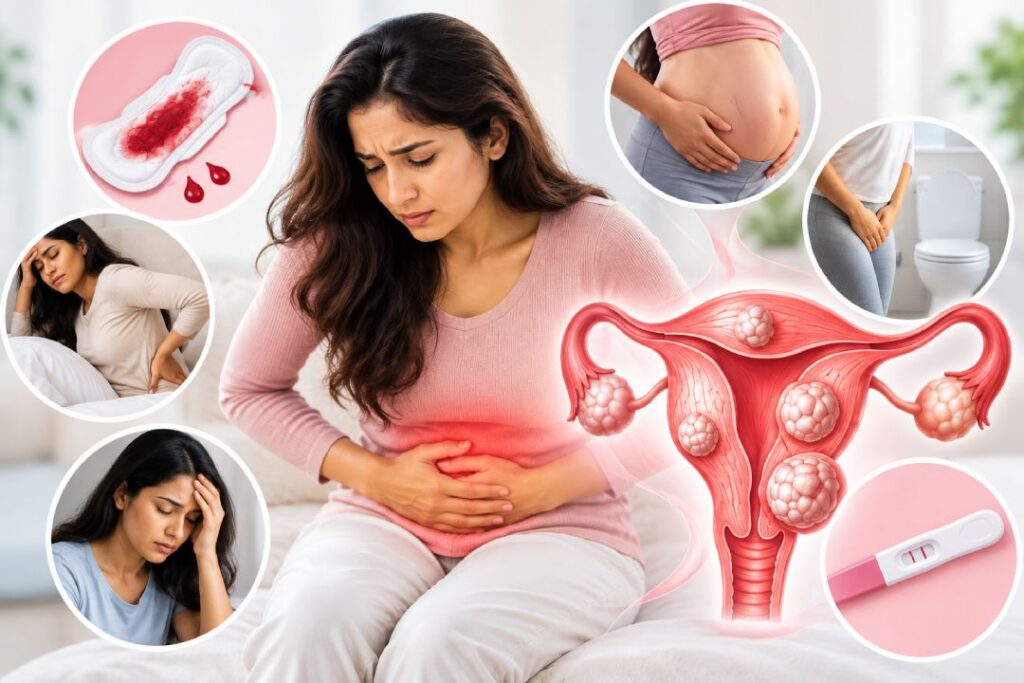
Your body usually tells you when a fibroid has stopped being harmless. See a gynaecologist if you notice:
- Periods so heavy that you change a pad every hour or two, pass large clots, or bleed for more than seven days
- Constant tiredness, breathlessness or pale skin, which can mean anaemia from blood loss
- Pelvic pain, lower back pain or pain during intercourse
- Passing urine very often, constipation or constant bloating
- A belly that looks swollen or pregnant when you are not
- Difficulty getting pregnant, or repeated miscarriages
- A fibroid that grows fast between scans, or any growth after menopause
That last point needs attention. A fibroid that grows after menopause is unusual and should always be checked.
A common myth says every fibroid above 5 cm must come out. Size alone rarely decides anything. A 2 cm submucosal fibroid causing heavy bleeding may need treatment sooner than an 8 cm one sitting quietly on the outside of the uterus.
Fibroid Treatment Without Surgery
For mild to moderate symptoms, or if you want to delay surgery, these options can help:
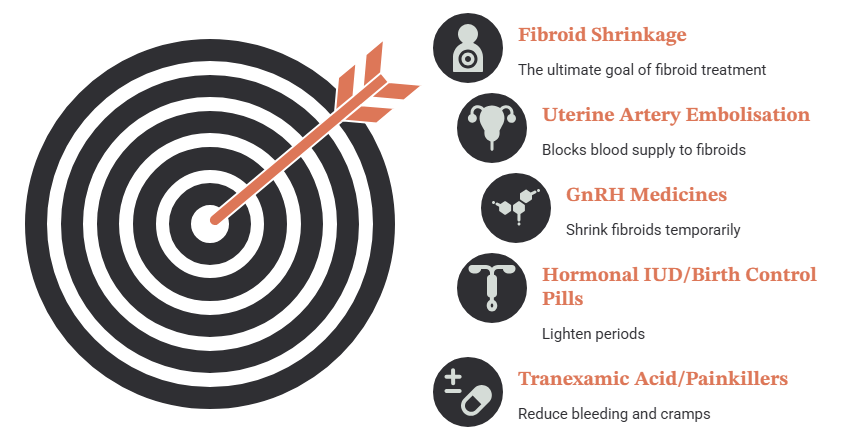
- Tranexamic acid and painkillers reduce bleeding and cramps during periods.
- Hormonal IUD or birth control pills lighten periods, though they work best when the cavity is not distorted.
- GnRH medicines shrink fibroids for a few months. They are often used before surgery to reduce size and let your blood count recover.
- Iron supplements correct anaemia so you stop feeling drained.
- Uterine artery embolisation blocks the fibroid’s blood supply so it shrinks.
These treatments control symptoms well for many women. What they cannot do is remove the fibroid, so symptoms may return once medicines stop. Read more on our uterine fibroid treatment page.
When Is Surgery the Right Choice?
Surgery is usually advised when bleeding or pain continues despite medicines, anaemia keeps coming back, the fibroid distorts the cavity and affects fertility, it presses on nearby organs, or it grows quickly. The type of surgery depends on your age, your pregnancy plans and the fibroid itself.
Myomectomy removes only the fibroids and keeps the uterus. It is the first choice for women who want children or simply want to keep their uterus. Laparoscopic myomectomy and robotic myomectomy are done through small keyhole cuts. That means less pain, less blood loss and a faster return to normal life.
Hysteroscopic removal treats fibroids inside the cavity through a thin camera passed via the vagina, with no cuts on the abdomen.
Hysterectomy removes the uterus and ends fibroid problems for good. It is considered for women who have completed their family, have many fibroids, or have seen fibroids return after earlier surgery. Laparoscopic hysterectomy and robotic hysterectomy make recovery far easier than the open surgery many women fear.
Robotic surgery gives the surgeon a magnified 3D view and instruments that bend like a wrist. This helps with fibroids in hard-to-reach places and with careful stitching of the uterine wall, which matters for a future pregnancy.
Planning a Pregnancy With Fibroids?
Good news first: many women with fibroids conceive and deliver healthy babies without any treatment. Fibroids outside the cavity usually stay out of the way.
Submucosal fibroids are different. They can make it harder for an embryo to implant and raise the chance of miscarriage, so removing them before trying to conceive is often advised. After a myomectomy, doctors usually suggest waiting three to six months before trying, so the uterine wall heals well.
Frequently Asked Question
Can a fibroid in the uterus go away on its own?
Small fibroids may stop growing, and most shrink after menopause. In younger women, they rarely disappear completely.
What size of fibroid needs surgery?
There is no fixed cut-off. Symptoms, location, growth and pregnancy plans matter more than size.
Can fibroids turn into cancer?
It is extremely rare. Still, a fast-growing fibroid or one that grows after menopause should be checked.
Can diet shrink fibroids?
No diet is proven to shrink them. A balanced, iron-rich diet helps with anaemia and recovery. Here is what to eat after fibroid surgery.
How long is recovery after laparoscopic fibroid surgery?
Most women go home in a day or two and return to desk work in about two to three weeks.
Talk to a Fibroid Specialist in Gurugram
A fibroid on your report is a finding, not a verdict. The right plan depends on your symptoms, your scan and what you want next, whether that is a baby, a quick recovery, or an end to heavy periods.
Dr. Amita Shah is a gynaecologist and robotic surgeon with over 30 years of experience and more than 1,000 laparoscopic and robotic surgeries behind her. She sees patients at Manipal Hospital, Palam Vihar, Gurugram, and will tell you clearly whether you need surgery, medicines or just a follow-up scan.
Call +91-9773975611 or book an appointment today.